
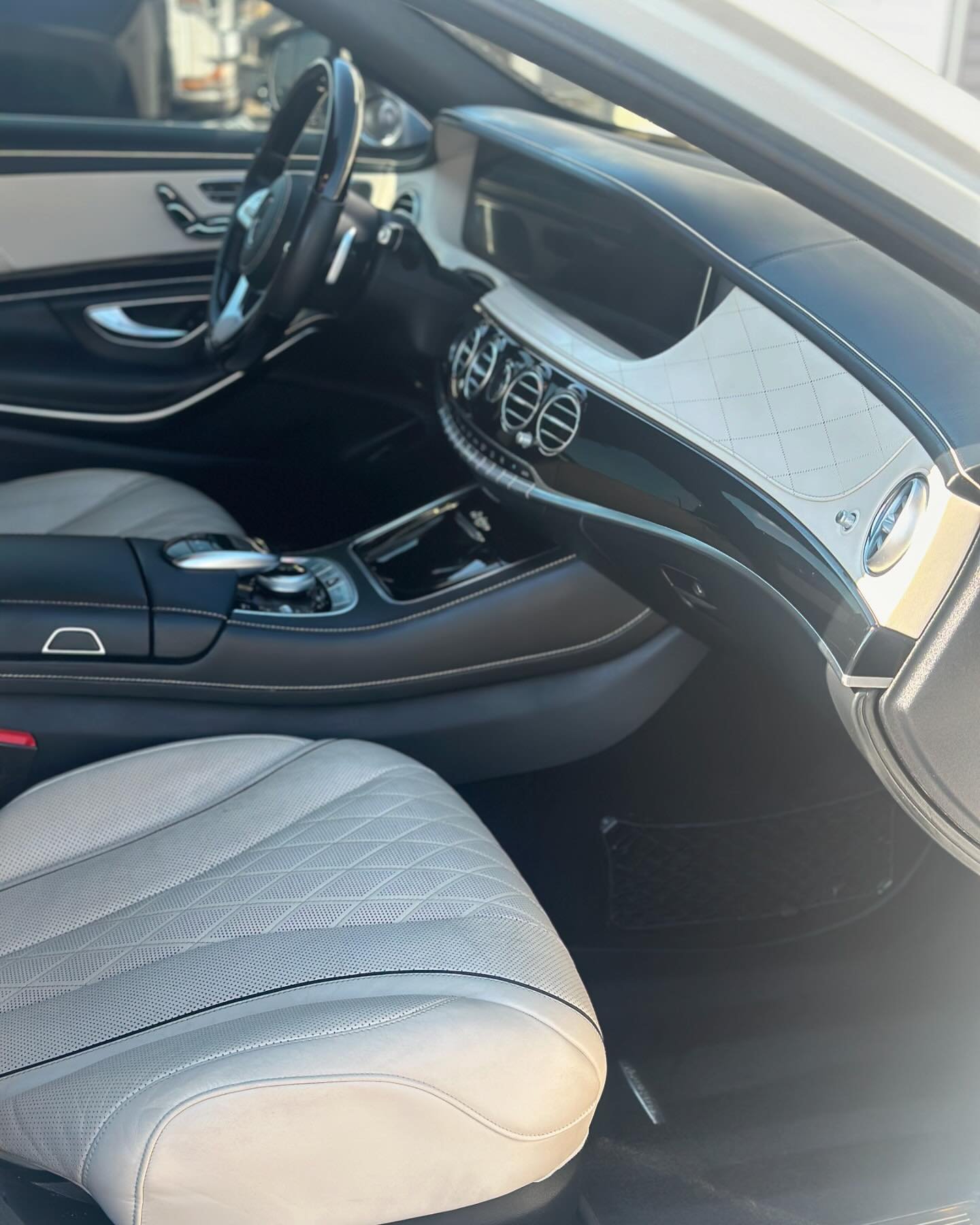
A bad smell in your car can make every drive uncomfortable, whether it’s stale cigarette smoke, pet odor, spilled food, or musty dampness that just won’t go away. The good news is that the right car odor eliminator can neutralize those smells at the source rather than just masking them with artificial fragrance.
This guide covers the best products on the market, how they work, which type suits your specific odor problem, and how to get rid of bad car smells permanently.
What Are the Best Car Odor Eliminators?
Here are the top-performing car odor eliminators based on odor-neutralizing effectiveness, user feedback, and value for money:
| Product | Type | Best For | Price Range |
| Meguiar’s Whole Car Air Re-Fresher | Fogger | Smoke, deep odors | $8 – $12 |
| Chemical Guys New Car Smell | Spray | General freshening | $10 – $15 |
| Ozium Air Sanitizer Spray | Spray | Smoke, bacteria, germs | $8 – $14 |
| Armor All Odor Eliminator Gel | Gel | Ongoing odor control | $5 – $10 |
| Febreze Car Vent Clip | Clip | Light, continuous freshness | $4 – $8 |
| Zero Odor Multi-Purpose Spray | Spray | Pet odors, general use | $12 – $18 |
| Activated Charcoal Bags | Natural absorber | Moisture, musty smells | $10 – $20 |
| Baking Soda (DIY) | Natural absorber | General odor absorption | $2 – $5 |
| Biokleen Bac-Out Spray | Enzyme-based | Pet urine, organic odors | $10 – $16 |
| SMELLEZE Reusable Car Deodorizer | Natural pouch | Long-term odor control | $15 – $25 |
Top picks by category:
- Best overall: Meguiar’s Whole Car Air Re-Fresher, deep-penetrating fogger that treats the entire cabin including vents and upholstery fibers
- Best for smoke: Ozium Air Sanitizer, clinically tested formula that eliminates airborne bacteria and smoke particles
- Best natural option: Activated charcoal bags, chemical-free, reusable, and effective for moisture and musty odors
- Best budget pick: Baking soda, surprisingly effective for general odor absorption at minimal cost
- Best for pets: Biokleen Bac-Out, enzyme-based formula that breaks down organic compounds at the molecular level
Whether you need a heavy-duty fogger for a used car or a natural charcoal bag for daily maintenance, choosing the right category of eliminator ensures your car stays fresh and clean.
How Do Car Odor Eliminators Work?
Not all odor eliminators work the same way. Understanding the science behind them helps you pick the right product for your specific smell problem.
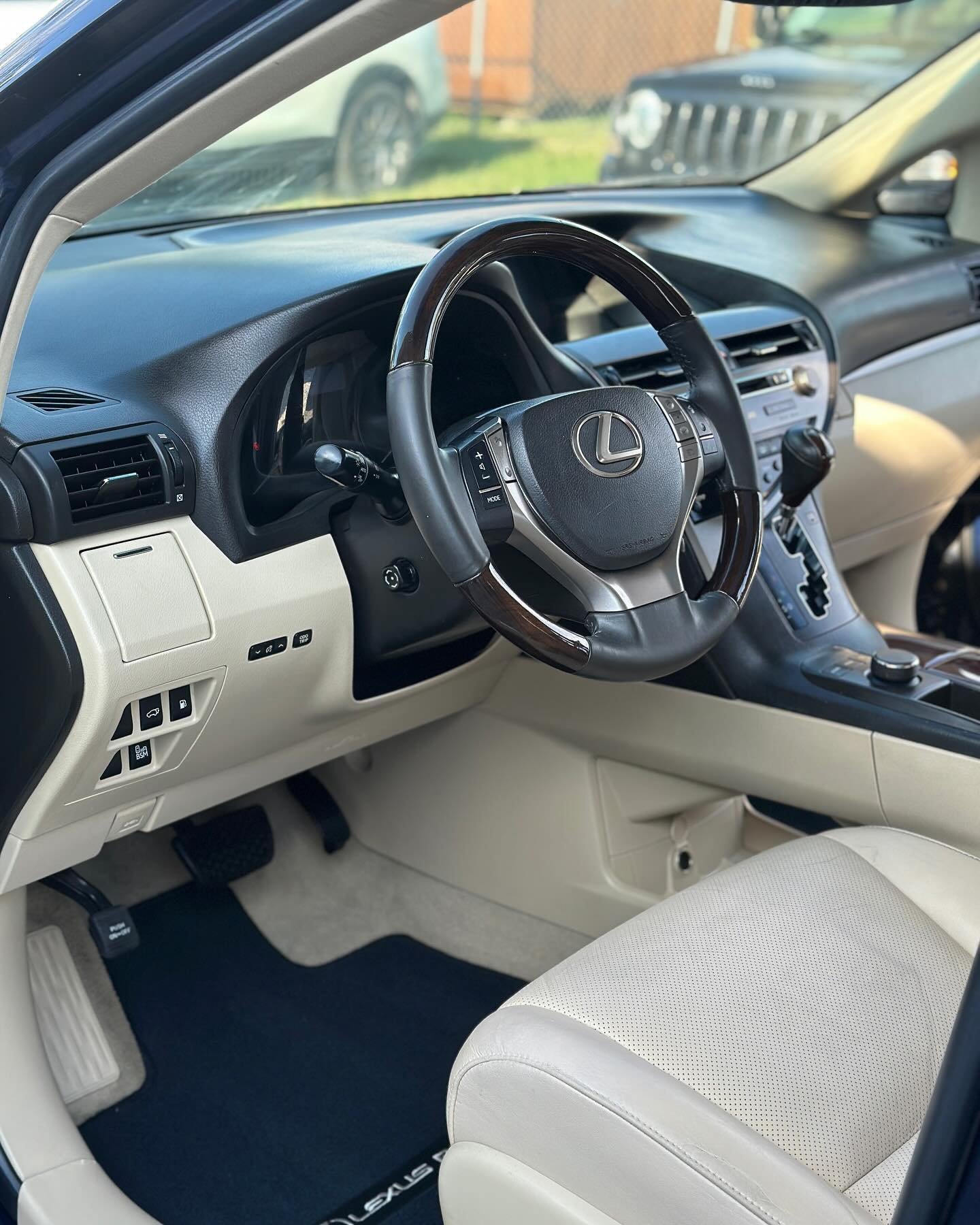
There are four main mechanisms car odor eliminators use:
1. Odor Absorption
Products like activated charcoal and baking soda work by physically trapping odor molecules within their porous structure. They pull volatile organic compounds (VOCs) and airborne contaminants out of the cabin air and lock them in. These are passive, slow-acting solutions that work best for mild or ongoing odor control.
2. Odor Neutralization
Chemical neutralizers work by reacting with odor-causing molecules and chemically altering their structure, eliminating the smell rather than covering it. Enzyme-based sprays fall into this category. They contain biological enzymes that break down organic compounds like urine, sweat, food residue, and pet dander at a molecular level.
3. Odor Masking
This is what most air fresheners and vent clips do, they release a stronger fragrance to override the unpleasant smell. This doesn’t eliminate the odor source. It’s a short-term fix that loses effectiveness once the fragrance dissipates.
4. Antimicrobial Action
Some products, particularly foggers and sprays like Ozium, use antimicrobial agents that kill odor-causing bacteria, mold spores, and fungi in the air and on surfaces. This approach addresses biological odor sources directly.
For lasting results, neutralization and antimicrobial action outperform simple masking every time.
Types of Car Odor Eliminators
Choosing the right format is just as important as choosing the right formula. Each delivery type suits a different situation.
Sprays
The most versatile format. Sprays can be applied directly to upholstery, carpets, headliners, and hard surfaces. They work quickly and are easy to control. Best for targeted odor treatment on specific surfaces or fabrics.
Gels
Gel-based eliminators sit in a container and slowly release odor-neutralizing compounds into the cabin air over time. They’re passive, low-maintenance, and work well for continuous background odor control. Effectiveness reduces as the gel dries out, typically lasting 4–8 weeks.
Foggers (Bomb-Style)
Foggers release a fine mist that penetrates every surface in the cabin, seats, carpets, headliner, air vents, and door panels. They’re the most thorough option for deep-seated, persistent odors like heavy smoke or long-term pet smell. Most foggers require the car to sit closed for 15–30 minutes after activation.
Vent Clips And Hanging Fresheners
These are fragrance-based masking products, not true odor eliminators. They’re best used after a proper odor treatment to maintain freshness, not as a standalone solution for serious odor problems.
Charcoal Bags And Natural Pouches
Reusable and chemical-free. Activated charcoal bags absorb moisture, VOCs, and odor molecules passively. They work slowly but last for months and can be recharged by placing them in sunlight.
Enzyme-Based Products
Specifically formulated for organic odors, pet urine, vomit, food spills, and sweat. The biological enzymes digest the organic matter causing the smell rather than simply covering it.
Matching the right eliminator to your specific odor problem is the fastest way to restore a clean, fresh-smelling interior.
Best Car Odor Eliminators for Smoke, Pets, and Food Smells
Different odor sources need different treatment strategies. Here’s what works best for the three most common car odor problems:
For Cigarette And Smoke Odors
Smoke is one of the hardest odors to eliminate because tar and nicotine particles embed deeply into fabric fibers, foam padding, and the HVAC system.
- Best products: Ozium Air Sanitizer, Meguiar’s Whole Car Air Re-Fresher fogger
- Strategy: Use a fogger to treat the full cabin including vents, follow with an antimicrobial spray on all fabric surfaces, and run the AC on recirculate mode during treatment to push the product through the ventilation system
For Pet Odors
Pet dander, saliva, and urine contain proteins that standard air fresheners cannot break down.
- Best products: Biokleen Bac-Out, Zero Odor Multi-Purpose Spray, enzyme-based cleaners
- Strategy: Identify and clean the source first — pet urine in carpet or seat foam needs enzyme treatment directly on the affected area. Follow with an activated charcoal bag for ongoing moisture and dander control
For Food And Beverage Smells
Spilled drinks, fast food residue, and rotting food create both surface odors and airborne contamination.
- Best products: Chemical Guys New Car Smell spray, Febreze Fabric Refresher, enzyme-based sprays for organic spills
- Strategy: Remove all food debris first, treat the stained area with an enzyme spray, then use a cabin-wide spray or gel for ongoing freshness
By treating the source of the smell rather than just masking it, you can ensure your car’s interior stays truly clean and inviting.
Natural vs Chemical Car Odor Eliminators – Which Is Better?
Both approaches have genuine merit. The right choice depends on odor severity, health sensitivities, and how quickly you need results.
| Factor | Natural Eliminators | Chemical Eliminators |
| Speed of action | Slow (hours to days) | Fast (minutes to hours) |
| Odor severity handled | Mild to moderate | Mild to severe |
| Chemical sensitivity | Safe for sensitive users | May irritate some users |
| Longevity | Weeks to months | Days to weeks |
| Reusability | Yes (charcoal bags) | No |
| Environmental impact | Low | Moderate |
| Cost | Low | Low to moderate |
Natural options like activated charcoal, baking soda, white vinegar, and essential oil blends are ideal for maintenance, mild odors, and users with allergies or chemical sensitivities. They’re also safer for households with children and pets.
Chemical options, including enzyme sprays, antimicrobial foggers, and VOC-neutralizing formulas, are more effective against severe, deep-set odors like heavy smoke, long-term pet contamination, or mold. They work faster and penetrate deeper into porous surfaces.
For best results, use both: a chemical treatment to eliminate the existing odor, followed by a natural absorber for ongoing maintenance.
How to Choose the Right Car Odor Eliminator
Use these criteria to narrow down your options:
Identify the odor source first: Is it smoke, pet, food, mold, or general mustiness? Each source responds to different active ingredients. Enzyme-based products work on organic matter. Antimicrobial sprays work on bacteria and mold. Charcoal works on VOCs and moisture.
Match the product format to the problem
- Localized stain or spill → spray or enzyme cleaner
- Whole-cabin persistent odor → fogger
- Ongoing freshness maintenance → gel or charcoal bag
- Light daily freshness → vent clip (post-treatment only)
Check for chemical sensitivities: If you or your passengers have asthma, allergies, or fragrance sensitivities, choose fragrance-free, natural, or enzyme-based products. Avoid aerosol foggers with strong synthetic fragrance compounds.
Consider longevity: One-time treatments like foggers are great for deep cleaning but don’t provide ongoing protection. Pair them with a long-lasting gel or charcoal bag for sustained freshness.
By matching the treatment to the specific type of odor, you can effectively eliminate smells at the source rather than just temporarily covering them up.
How to Remove Bad Smell from Your Car Permanently
No product works properly on a car that hasn’t been physically cleaned first. Here’s a step-by-step process for permanent odor removal:
Step 1 — Remove The Source
Vacuum all carpets, seats, and floor mats thoroughly. Remove and wash or replace floor mats. Check under seats for food, debris, or moisture sources. Check the trunk and spare tire area for hidden odor sources.
Step 2 — Deep Clean All Surfaces
Shampoo upholstery and carpets with an appropriate fabric cleaner. Wipe down all hard surfaces, dashboard, door panels, center console, with an antibacterial cleaner. Clean the headliner gently with a microfiber cloth and appropriate cleaner.
Step 3 — Treat The Hvac System
Many persistent car odors live inside the ventilation system. Use a dedicated HVAC odor eliminator spray directed into the cabin air intake (usually near the base of the windshield) with the fan running on high to distribute the product through all vents.
Step 4 — Apply Odor Eliminator
Use a fogger for whole-cabin treatment or a targeted spray for specific areas. Follow product instructions precisely, including recommended dwell time and ventilation period after treatment.
Step 5 — Absorb Residual Odors
Place activated charcoal bags or an open box of baking soda in the cabin overnight to absorb any remaining odor molecules.
Step 6 — Maintain Freshness
Use a gel-based odor eliminator or charcoal pouch for ongoing odor control. Keep the cabin clean and address spills immediately to prevent odor from returning.
Combining a deep physical clean with the right neutralizing products is the only way to achieve a truly fresh, odor-free interior.
Common Mistakes That Make Car Odors Worse
Avoid these pitfalls that often make odor problems harder, and more expensive, to fix:
- Using air fresheners before cleaning: Layering fragrance over an active odor source doesn’t eliminate the smell, it creates a confusing mix of competing scents that fades quickly, leaving the original odor intact.
- Skipping the HVAC system: Odors that seem to come from nowhere often live in the air conditioning evaporator or cabin air filter. A dirty cabin air filter is a common, overlooked odor source, replace it every 12,000–15,000 miles.
- Using too much product: Over-applying sprays, especially on fabric surfaces, leaves behind residue that attracts more dirt and moisture, creating new odor problems.
- Not letting surfaces dry properly: Damp upholstery and carpet after cleaning is a breeding ground for mold and mildew, some of the hardest odors to fully eliminate. Always allow full drying time with windows open or a fan running.
- Ignoring the source: No odor eliminator works permanently if the underlying cause isn’t addressed. A leaking coolant line, a wet carpet from a door seal failure, or a persistent pet accident spot will keep generating odor no matter how many products you use.
By avoiding these common errors and focusing on the root cause, you can ensure your car stays fresh without wasting time or money on temporary fixes.
Final Thoughts
Getting rid of car odors permanently starts with identifying the source, cleaning the surface, and then choosing the right odor eliminator for the job. Sprays, foggers, enzyme cleaners, and natural charcoal absorbers each have a role to play, and the best results usually come from combining them. Skip the masking products and go straight to neutralization. A clean, fresh-smelling cabin isn’t just more pleasant, it reflects the overall care and condition of your vehicle.
FAQs
What Is The Most Effective Car Odor Eliminator?
For deep, persistent odors, a whole-car fogger like Meguiar’s Whole Car Air Re-Fresher is one of the most effective options. It penetrates fabric fibers, foam, and ventilation systems. For organic odors from pets or food, enzyme-based sprays like Biokleen Bac-Out deliver the most thorough neutralization.
How Do I Get Rid Of Cigarette Smell In My Car Permanently?
Use a full-cabin fogger treatment, followed by an antimicrobial spray on all fabric surfaces. Clean the headliner, run the AC through the deodorizer cycle, and place activated charcoal bags in the cabin overnight. Repeat if necessary, heavy smoke odor often requires 2–3 treatment cycles.
Qdo Car Odor Eliminators Actually Work Or Just Mask The Smell?
It depends on the product. True odor eliminators, enzyme-based sprays, antimicrobial foggers, and activated charcoal absorbers neutralize or absorb odor molecules. Standard air fresheners and vent clips only mask odors with fragrance and do not treat the source.
How Long Does It Take For A Car Odor Eliminator To Work?
Sprays work within minutes on surface odors. Foggers typically require 15–30 minutes of dwell time plus ventilation before the car is usable. Charcoal bags and gel absorbers work passively over hours to days. For severe odors, multiple treatments over several days may be needed.
Are Car Odor Eliminators Safe For Pets And Children?
Many chemical-based products are safe once fully dried and the cabin has been ventilated. However, for households with young children or pets, natural options like activated charcoal, baking soda, or fragrance-free enzyme sprays are the safer choice. Always check the product label for safety warnings.
Why Does My Car Still Smell After Using An Odor Eliminator?
The most common reason is that the odor source wasn’t fully removed before treatment. Odor eliminators work on residual smell, they can’t overcome an active source like wet carpet, a mold colony in the HVAC system, or a pet urine stain that soaked into the seat foam. Clean the source first, then treat.
How Often Should I Use A Car Odor Eliminator?
For maintenance, a gel-based product or charcoal bag works continuously and needs replacing every 4–8 weeks. Spray treatments can be used as needed after cleaning. Deep fogger treatments are typically a one-time or occasional fix for serious odor problems rather than a routine maintenance product.