
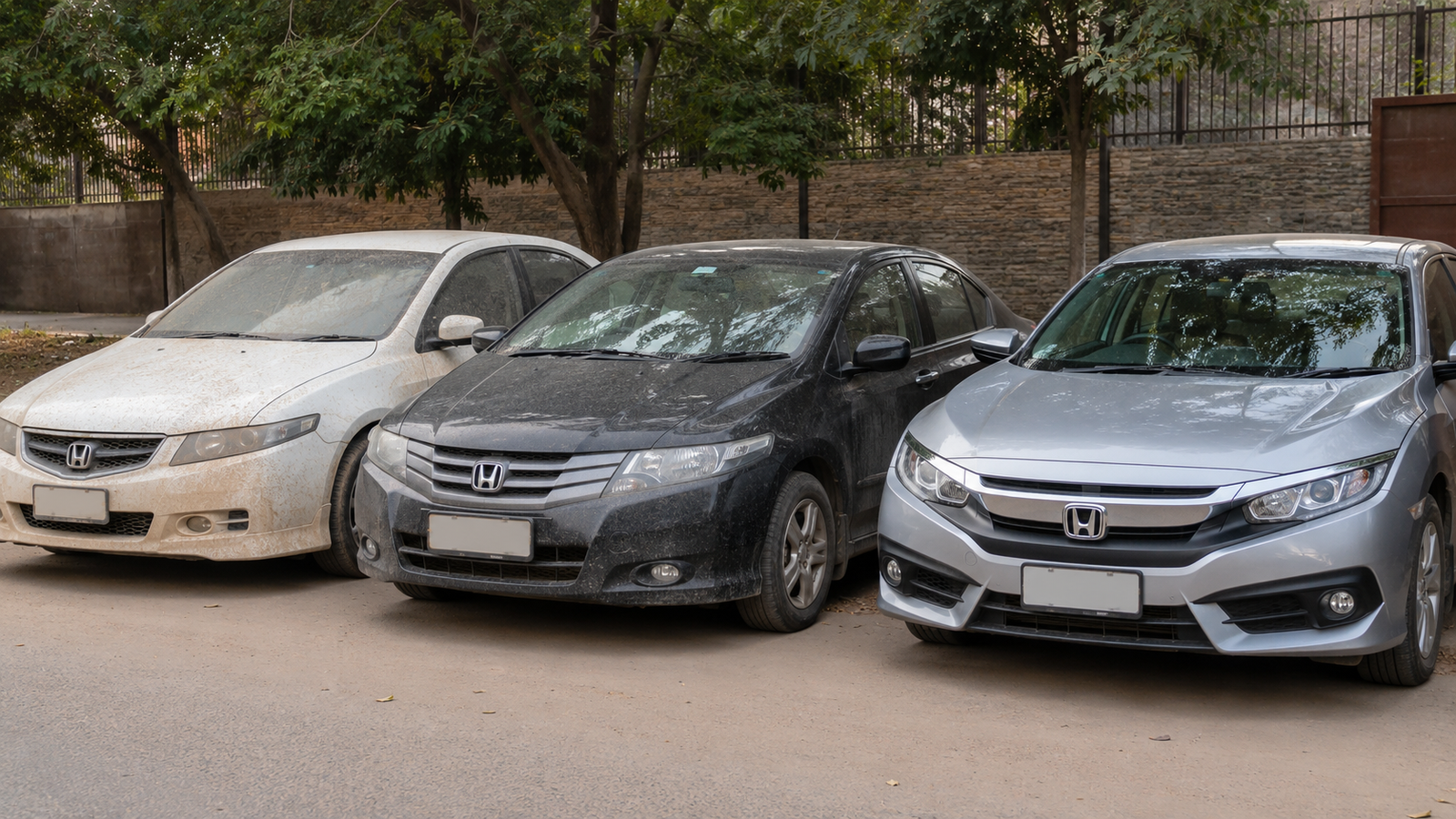
Finding the best car color for hiding dirt is one of the most practical decisions you can make before buying a vehicle. The right color choice directly affects how quickly dust, road grime, pollen, and water spots become visible, and how often your car demands washing.
This complete guide breaks down which colors hide dirt best, which ones show every speck of contamination, and everything you need to know to make a smarter, lower-maintenance color decision.
Top Car Colors That Hide Dirt, Dust, and Grime the Best
Some colors are simply more forgiving than others when it comes to everyday contamination. Here are the top performers:
1. Silver
Silver is widely regarded as the best all-around color for hiding dirt. Light dust, road grime, mud splatter, and water spots all blend naturally into a silver finish. It reflects light in a way that masks surface contamination effectively between washes.
2. Gray
Gray performs nearly as well as silver. Medium to dark gray tones are particularly effective at concealing dust buildup, light mud, and everyday road film. Gray has become one of the most popular vehicle colors globally, partly for this reason.
3. Champagne and Light Brown
These earth-toned colors are exceptional at hiding dust and dried mud because their natural tones closely match common road dirt and soil. They are underrated choices for low-maintenance vehicle owners.
4. Gold and Bronze
Warm metallic tones like gold and bronze camouflage dust and light grime remarkably well. The earthy undertones absorb visual noise from surface contamination rather than highlighting it.
5. Light Blue
Light blue strikes a practical balance. It hides dust reasonably well while water spots are far less visible than on darker shades. It is a solid middle-ground color for drivers in dusty or high-pollen environments.
6. Green (Medium Shades)
Medium green tones hide dirt and mud effectively, particularly in rural or wooded environments where the surrounding landscape complements the color naturally.
Quick Reference, Best Colors for Hiding Dirt:
| Color | Hides Dust | Hides Mud | Hides Water Spots | Overall Rating |
| Silver | Excellent | Very Good | Excellent | 5/5 |
| Gray | Excellent | Very Good | Very Good | 5/5 |
| Champagne/Light Brown | Very Good | Excellent | Good | 4.5/5 |
| Gold/Bronze | Very Good | Good | Good | 4/5 |
| Light Blue | Good | Good | Very Good | 4/5 |
| Medium Green | Good | Very Good | Good | 3.5/5 |
When it comes to staying cleaner longer, silver and gray aren’t just popular choices, they’re the practical ones.
Worst Car Colors for Hiding Dirt (Colors to Avoid If You Hate Washing)
These colors look stunning when clean but reveal every speck of contamination almost immediately:
1. Black
Black is the most unforgiving car color in existence. Dust, water spots, fingerprints, pollen, and light scratches are all immediately visible against a dark surface. Black cars require washing two to three times more frequently than silver or gray vehicles to maintain the same visual standard.
2. Dark Blue and Navy
Dark blue shares many of black’s maintenance challenges. Water spots, dust, and bird dropping residue stand out sharply against deep navy or dark blue paint.
3. Dark Red and Burgundy
Deep red tones show dust and water spots clearly, particularly under bright sunlight. They also reveal swirl marks and light scratches more readily than lighter colors.
4. White
White surprises many drivers. While it hides dust reasonably well, it is extremely vulnerable to mud, road splash, and lower panel grime. A white car driven on wet roads looks noticeably dirty within a single day.
5. Yellow and Orange
Bright, saturated colors like yellow and orange show every water spot, dust layer, and bird dropping with high contrast. They also reveal paint imperfections and swirl marks clearly.
Worst Colors for Hiding Dirt, Quick Reference:
| Color | Shows Dust | Shows Mud | Shows Water Spots | Maintenance Demand |
| Black | Very High | Very High | Very High | Very High |
| Dark Blue/Navy | High | High | Very High | High |
| Dark Red/Burgundy | High | High | High | High |
| White | Low | Very High | High | High |
| Yellow/Orange | High | High | Very High | Very High |
If low maintenance matters to you, choosing any of these colors means committing to a much more demanding wash schedule.
What Makes a Car Color Good at Hiding Dirt?
Understanding the science behind color and dirt visibility helps explain why some shades perform so much better than others.
- Tone Matching: Colors that naturally match the tone of common contaminants, road dust, dried mud, pollen, hide those substances more effectively. Silver, gray, and champagne are close in tone to most road-based dirt, making contamination far less visible.
- Light Reflectivity: Light-colored and metallic finishes scatter and diffuse light, which reduces the visual contrast between clean paint and contaminated areas. Dark colors absorb light and create sharp contrast that makes every speck of dust stand out.
- Surface Texture and Finish Type: Matte finishes show water spots and smears more readily than gloss finishes regardless of color. Metallic and pearlescent finishes add visual complexity that helps mask surface-level dirt between washes.
- Contrast with Common Contaminants: The higher the contrast between your paint color and the contamination, the more visible the dirt becomes. Black paint and white bird droppings, maximum contrast. Silver paint and gray road dust, minimal contrast.
Understanding these factors before you choose a color can save you significant time, effort, and detailing costs over the life of your vehicle.
How Climate and Environment Affect Your Car Color Choice
Where you live and drive should heavily influence your color decision. Different environments produce different types of contamination.
- Dusty and Arid Regions: Silver, gray, and champagne are the strongest choices. These colors blend with airborne dust and dry soil, keeping the vehicle looking cleaner for longer between washes.
- Rainy and High-Humidity Areas: Avoid black and dark colors, which show water spots and streaking clearly after every rain shower. Light gray and silver handle wet-weather contamination far better.
- Rural and Off-Road Environments: Earth tones, champagne, light brown, bronze, and medium green, blend naturally with mud and rural road debris. White and black are the worst choices for frequent rural driving.
- Urban and High-Pollution Areas: Gray and silver handle industrial fallout, exhaust residue, and general urban grime better than most colors. Dark colors in city environments require constant washing to maintain appearance.
- Coastal and Salt-Air Environments: Light colors with quality paint protection perform best near coastal areas. Water spot visibility is a major concern here, so silver and light gray are strongly preferred over black or dark blue.
- Snowy and Winter Conditions: Road salt and slush leave a white-gray residue on all vehicles. Dark colors reveal this contamination most dramatically, while silver and gray blend with it naturally.
| Environment | Best Color Choice | Worst Color Choice |
| Dusty/Arid | Silver, Gray, Champagne | Black, Dark Blue |
| Rainy/Humid | Silver, Light Gray | Black, Dark Red |
| Rural/Off-Road | Champagne, Bronze, Green | White, Black |
| Urban/City | Gray, Silver | Black, Dark Blue |
| Coastal/Salt Air | Silver, Light Gray | Black, Navy |
| Snowy/Winter | Silver, Gray | Black, Dark Red |
Matching your color to your environment is one of the simplest ways to reduce how often your car looks like it needs a wash.
Best Car Color for Low-Maintenance Vehicle Owners
If minimizing wash frequency and keeping your car looking presentable with the least effort possible is your priority, the answer is clear:
Silver and medium gray are the top choices for low-maintenance vehicle owners.
Here is why they consistently outperform every other color for easy upkeep:
- They match the tone of the most common road contaminants
- Water spots are far less visible than on dark or bright colors
- Dust and pollen blend into the surface rather than contrasting against it
- Swirl marks and light scratches are significantly less visible
- They perform well across all seasons and weather conditions
- Resale demand for silver and gray vehicles remains consistently strong
Runner-up choices for low-maintenance owners:
- Champagne and light brown for drivers in dusty or rural environments
- Light blue for drivers in moderate climates with average rainfall
- Gold and bronze for those who want a distinctive color without high maintenance demands
If you want a dark color but still want manageable upkeep, dark gray is your best compromise. It carries the sophistication of a darker shade while still performing far better than black, navy, or dark red in terms of dirt visibility.
Why Car Color Matters More Than You Think When It Comes to Dirt
Most drivers think about color purely in terms of aesthetics. The practical implications go much further than appearance alone.
Wash Frequency and Cost
A black car owner in a dusty or rainy environment may wash their vehicle weekly just to keep it presentable. A silver car owner in the same environment may only need washing every two to three weeks. Over a year, that difference translates into real time and money saved.
Paint Condition Over Time
Drivers who wash dark-colored cars more frequently out of necessity also expose their paint to more wash-related wear, water contact, drying friction, and product application. Ironically, the color that demands more washing also suffers more from the act of washing itself.
Resale Value Perception
A vehicle that always looks clean makes a stronger impression during resale. Silver and gray cars tend to photograph better and present more favorably at trade-in or private sale simply because their color hides the signs of daily use more effectively.
Psychological Impact
Research consistently shows that drivers of high-visibility dirt colors like black wash their cars more frequently, spend more on detailing services, and report higher maintenance-related stress compared to owners of silver or gray vehicles.
The color you choose today shapes every wash, every detail appointment, and every resale conversation you’ll have for years to come.
How Often Should You Wash Your Car Based on Its Color?
Color is one of the most overlooked factors in determining an appropriate wash schedule. Here is a practical guide:
| Car Color | Recommended Wash Frequency |
| Black | Every 5–7 days in normal conditions |
| Dark Blue/Navy | Every 7–10 days |
| Dark Red/Burgundy | Every 7–10 days |
| White | Every 7–10 days (more often in wet/muddy conditions) |
| Yellow/Orange | Every 7–10 days |
| Light Gray | Every 2–3 weeks |
| Silver | Every 2–3 weeks |
| Champagne/Light Brown | Every 2–3 weeks |
| Light Blue | Every 2 weeks |
| Gold/Bronze | Every 2–3 weeks |
These are general guidelines under normal driving conditions. Adjust frequency based on your local environment, seasonal factors, and whether your vehicle is garaged or parked outdoors.
Tips to Keep Any Car Color Looking Clean Longer
Regardless of what color your vehicle is, these practical habits reduce how often you need to wash and how quickly contamination becomes visible:
- Apply a Ceramic Coating or Paint Sealant: Protective coatings create a hydrophobic surface that causes water, dust, and light grime to bead off rather than bond to the paint. This single step dramatically extends the time between washes for any color.
- Park in a Garage or Under Cover: Sheltered parking reduces exposure to bird droppings, tree sap, pollen, and rain, the four fastest sources of visible contamination on any vehicle.
- Use a Car Cover for Outdoor Parking: A quality car cover protects against dust accumulation, UV fading, and moisture contact when garage parking is not available.
- Rinse After Rain: Rainwater carries airborne pollutants and deposits them on your paint as it evaporates. A quick rinse after rainfall removes these contaminants before they bond and dry onto the surface.
- Address Bird Droppings and Tree Sap Immediately: These two contaminants are chemically aggressive and begin etching into clear coat within hours. Carry a quick detailer spray and a microfiber cloth for immediate spot treatment.
- Use a Waterless or Rinseless Wash Between Full Washes: A waterless wash spray applied with a microfiber cloth removes light dust and fingerprints quickly without a full wash session, ideal for maintaining appearance between scheduled washes.
- Maintain Tire and Wheel Cleanliness: Dirty wheels and tires make even a clean car look unkempt. Regular wheel cleaning as part of your wash routine keeps the overall appearance sharp.
Combine these habits with the right protective coating and your vehicle will stay looking sharp far longer between washes, regardless of color.
Final Thoughts
Your car color does more than define its look, it directly shapes how often you wash it, how much you spend on upkeep, and how it holds up visually over time. Silver and gray remain the practical leaders for low-maintenance ownership, while black and dark shades demand consistent attention to stay presentable.
Whatever color you drive, applying the right protective products and building a regular wash routine makes a measurable difference in keeping your vehicle looking its best every day.
FAQs
What Is The Best Car Color For Hiding Dirt?
Silver and gray are the best car colors for hiding dirt. Their tones closely match common road dust, grime, and water spots, making surface contamination far less visible between washes compared to darker or brighter colors.
Does White Or Black Hide Dirt Better?
Neither performs particularly well, but for different reasons. Black shows dust, water spots, and fingerprints immediately. White hides dust but reveals mud, road splash, and lower panel grime very clearly. Silver or gray outperforms both for overall dirt concealment.
Is A Silver Car Easier To Maintain Than A Black Car?
Yes, significantly. Silver hides dust, water spots, light scratches, and road grime far more effectively than black. Most silver car owners wash their vehicles half as often as black car owners under identical driving conditions.
What Car Color Shows The Least Water Spots?
Silver and light gray show the fewest water spots. Their light, neutral tones blend naturally with mineral deposit residue, making spots far less noticeable than on black, dark blue, or dark red paint.
What Is The Hardest Car Color To Keep Clean?
Black is universally considered the hardest color to keep clean. It shows every speck of dust, every water spot, every fingerprint, and every light scratch with high contrast, requiring frequent washing and careful maintenance to stay presentable.
Does Car Color Affect Resale Value?
Yes, indirectly. Silver, gray, and white are the most universally appealing colors in the used car market, which supports stronger resale demand. Black cars can command a premium when pristine but depreciate in appeal faster when showing wear and contamination.
Which Car Color Is Best For Dusty Environments?
Silver, gray, and champagne are the best choices for dusty environments. Their tones match the color of most airborne dust and dried soil, making the vehicle appear cleaner for longer between washes.
Is Gray Or Silver Better For Hiding Dirt?
Both perform similarly. Silver has a slight edge due to its metallic reflectivity, which diffuses light and masks surface contamination more effectively. Medium gray is a close second and offers a more contemporary, understated appearance.
Does Car Color Affect How Hot The Interior Gets?
Yes. Darker exterior colors absorb more solar radiation, which increases cabin temperature compared to lighter colors. Silver and white reflect more sunlight and result in noticeably cooler interiors during hot weather, an added practical benefit beyond dirt concealment.
Can Ceramic Coating Help Any Car Color Hide Dirt Better?
Yes. A ceramic coating creates a hydrophobic surface that causes water, dust, and light grime to bead and roll off rather than bonding to the paint. This helps every color stay cleaner longer, but the benefit is most noticeable on dark colors where contamination is most visible.