
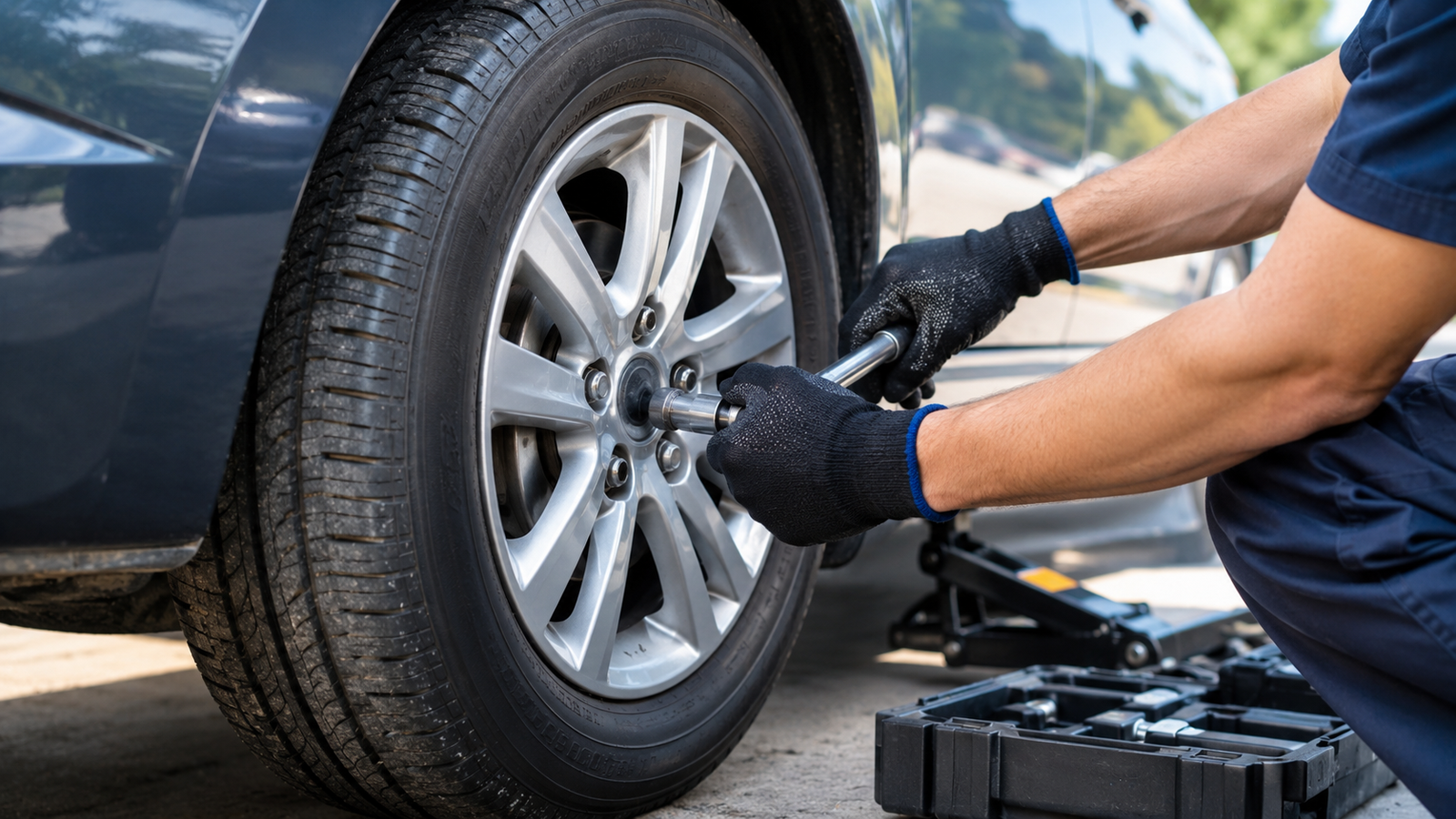
Your vehicle’s Anti-lock Braking System, or ABS, is one of the most important safety features working behind the scenes every time you hit the brakes. It prevents wheel lockup during sudden stops, keeps your tires gripping the road, and helps you maintain steering control on wet or slippery surfaces. Ignoring ABS maintenance can lead to costly repairs and, more importantly, unsafe driving conditions.
This guide covers seven practical tips to keep your ABS functioning reliably for years to come.
What Is an ABS and Why It Matters for Safe Driving
Anti-lock Braking System technology uses wheel speed sensors, a hydraulic control unit, and an ABS module to detect when a wheel is about to lock up during braking. When that happens, the system rapidly pulses brake pressure to that wheel, allowing the tire to keep rotating instead of skidding. This gives drivers the ability to steer while braking hard, which is especially critical in emergency stops, rain, snow, or on gravel roads.
According to the National Highway Traffic Safety Administration (NHTSA), ABS has been standard equipment on most passenger vehicles sold in the United States since the early 2000s, and it plays a major role in reducing loss-of-control crashes. Without a properly functioning ABS, drivers lose the benefit of controlled braking, which increases stopping distances and the risk of skidding. Understanding how the system works makes it easier to spot problems early, which brings us to the first tip.
Tip 1: Watch for the ABS Warning Light
The ABS warning light on your dashboard is the earliest and most reliable indicator that something needs attention. This light typically illuminates when the onboard computer detects an issue with a wheel speed sensor, the hydraulic control unit, or wiring within the system.
- Never ignore an illuminated ABS light, even if your regular brakes still feel normal.
- A steady light usually indicates a fault code stored in the ABS module.
- A flickering or intermittent light can point to a loose connector or a failing sensor.
If the light comes on, avoid aggressive braking and have the vehicle scanned with an OBD-II diagnostic tool as soon as possible. Many auto parts stores offer free code readings, though a certified technician can interpret ABS-specific codes more accurately. Catching this early prevents the next issue on this list: fluid-related damage.
Tip 2: Get Your Brake Fluid Checked and Flushed Regularly
Brake fluid is the hydraulic lifeline of your ABS. Over time, it absorbs moisture from the air, which lowers its boiling point and can cause internal corrosion in the ABS module and brake lines. Contaminated fluid also reduces the responsiveness of the pulsing action that makes ABS effective.
Most manufacturers recommend a brake fluid flush every two years or 30,000 miles, though this can vary by vehicle and climate. Signs that your fluid needs attention include:
- A soft or spongy brake pedal feel.
- Fluid that appears dark brown or cloudy instead of clear or light amber.
- A burning smell after repeated braking.
Routine flushes are inexpensive compared to replacing an ABS pump or module, making this one of the most cost-effective ways to protect the system. Clean fluid also supports the next component that keeps ABS accurate: the wheel speed sensors.
Tip 3: Inspect Wheel Speed Sensors for Dirt and Damage
Wheel speed sensors sit near each wheel hub and continuously send rotational speed data to the ABS control module. Dirt, brake dust, road salt, and debris can accumulate on these sensors, especially on vehicles driven in areas with harsh winters or unpaved roads.
A dirty or damaged sensor sends inaccurate signals, which can trigger false ABS activation or disable the system entirely. During routine tire rotations or brake inspections, ask your mechanic to visually check each sensor and its wiring harness for corrosion, cracked insulation, or physical damage. Cleaning sensors with an approved electrical contact cleaner, rather than harsh solvents, helps maintain accurate readings without damaging sensitive components. With sensors functioning correctly, attention naturally shifts to the mechanical parts they work alongside.
Tip 4: Replace Brake Pads and Rotors Before They Wear Out
Worn brake pads and warped rotors do not just reduce stopping power. They can also place extra strain on the ABS by forcing the system to compensate for uneven braking performance across the wheels. Metal-on-metal contact from severely worn pads can even damage rotors to the point of affecting sensor accuracy.
| Warning Sign | What It May Indicate |
| Squealing or grinding noise | Worn brake pads needing replacement |
| Vibration through the brake pedal | Warped or unevenly worn rotors |
| Vehicle pulls to one side when braking | Uneven pad wear or a sticking caliper |
| Longer stopping distances | Reduced friction material or fluid issues |
Most brake pads last between 25,000 and 70,000 miles depending on driving habits and pad material, according to general industry guidance from organizations like the Automotive Service Association (ASA). Replacing pads and rotors on schedule keeps braking balanced across all four wheels, which is essential for ABS to function as designed. Once the mechanical brake components are in good shape, the electrical side of the system deserves equal attention.
Tip 5: Keep Your ABS Module and Wiring Protected from Corrosion
The ABS control module and its wiring harness are typically located in the engine bay or near the wheel wells, areas exposed to moisture, road salt, and temperature swings. Corrosion on connectors or frayed wiring insulation can cause intermittent faults that are difficult to diagnose without proper tools.
Drivers in coastal regions or areas that use road salt during winter should pay particular attention to undercarriage rust prevention. Regular washing of the vehicle’s underside, especially after winter driving, helps limit salt buildup around ABS components. If you notice corrosion near connectors during a service visit, ask your technician about applying dielectric grease to protect exposed contacts. Protecting these components extends the life of the module itself, which is one of the more expensive parts to replace if it fails.
Tip 6: Test Your ABS System With a Controlled Brake Check
Periodically testing how your ABS responds gives you a real sense of whether the system is working properly, beyond just watching the dashboard light. This should always be done safely, ideally in an empty parking lot or a controlled environment with no other vehicles or pedestrians nearby.
Here is a simple way to check ABS function:
- Find a safe, open space with no traffic.
- Accelerate to a moderate speed, such as 20 to 25 miles per hour.
- Apply firm, steady pressure to the brake pedal.
- Feel for a pulsing sensation in the pedal, which indicates the ABS is engaging correctly.
- Listen for a slight mechanical noise, which is normal during ABS activation.
If you feel no pulsing at all, or if the pedal goes completely rigid without any modulation, the system may not be engaging properly and should be inspected. This kind of hands-on awareness pairs well with the final and most important tip: professional diagnostics.
Tip 7: Schedule Professional ABS Diagnostics at the Right Intervals
While the tips above help with day-to-day awareness, ABS systems ultimately rely on precise electronic diagnostics that only a qualified technician can perform correctly. A professional scan tool can read manufacturer-specific fault codes, test individual sensor voltage output, and verify that the hydraulic control unit is cycling properly.
Most manufacturers recommend a full brake system inspection, including ABS diagnostics, at least once a year or every 12,000 miles, whichever comes first. Local dealerships, certified repair shops, and ASE-certified technicians are equipped to handle this level of testing. If you notice recurring ABS lights, unusual pedal feel, or braking inconsistencies between service visits, do not wait for your next scheduled appointment. Early diagnosis is almost always less expensive than replacing a failed ABS module or hydraulic pump.
Common ABS Problems and Warning Signs to Watch For
Understanding the most frequent ABS issues helps you recognize problems before they escalate. The table below summarizes common symptoms, likely causes, and general next steps.
| Symptom | Likely Cause | Recommended Action |
| ABS light stays on | Faulty sensor or wiring fault | Scan for codes, inspect sensors |
| ABS activates on dry, smooth roads | Contaminated or misaligned sensor | Clean or replace sensor |
| No pulsing felt during hard braking | Failed hydraulic control unit | Professional diagnostic required |
| Brake pedal feels unusually stiff | Vacuum or hydraulic issue | Inspect brake booster and lines |
| Traction control light also on | Related ABS sensor malfunction | Full system scan recommended |
Recognizing these patterns early gives you the ability to act before a minor sensor issue turns into a major repair.
Final Thought
Taking care of your ABS does not require constant attention, but it does require consistency. Watching your dashboard warning lights, maintaining clean brake fluid, protecting sensors and wiring from corrosion, and scheduling regular professional inspections all work together to keep this critical safety system reliable. A well-maintained ABS gives you better control during emergency stops and reduces the risk of costly repairs down the road. If you notice any warning signs mentioned in this guide, have your vehicle inspected promptly rather than waiting for the problem to worsen.
FAQs
How Do I Know If My ABS Is Failing?
Common signs include an illuminated ABS warning light, no pulsing sensation when braking hard, longer stopping distances or the traction control light turning on alongside the ABS light. If you notice any of these symptoms, a diagnostic scan can confirm the exact issue.
Can I Drive With The ABS Light On?
You can usually still drive, since regular brakes typically still function without ABS assistance. However, you lose the anti-lock protection during hard braking, which increases the risk of skidding, especially on wet or icy roads. It is best to have the issue diagnosed as soon as possible.
How Much Does It Cost To Fix An ABS Sensor?
Replacing a single wheel speed sensor typically costs between 150 and 400 dollars, including parts and labor, depending on the vehicle make and model. Prices can vary based on sensor location and whether additional wiring repairs are needed.
How Often Should ABS Be Inspected?
Most manufacturers recommend including ABS diagnostics as part of an annual brake inspection, or roughly every 12,000 miles. Vehicles driven in harsh climates with road salt or heavy debris may benefit from more frequent checks.
What Causes False ABS Activation?
False activation often results from dirty or damaged wheel speed sensors, uneven tire wear, or incorrect tire sizes that affect rotational speed readings. Cleaning or replacing the affected sensor typically resolves the issue.
Does ABS Fluid Need To Be Changed Separately From Regular Brake Fluid?
No, ABS uses the same brake fluid as the rest of the hydraulic braking system. Regular fluid flushes, typically every two years, help protect both the ABS module and standard brake components from moisture-related corrosion.
Can Worn Tires Affect ABS Performance?
Yes, uneven or mismatched tire tread can cause wheels to rotate at different speeds during braking, which may confuse the wheel speed sensors and trigger inaccurate ABS activation. Keeping tires properly matched and inflated supports accurate sensor readings.
Is It Safe To Reset The ABS Light Myself?
Clearing the code with an OBD-II scanner will turn off the light temporarily, but it does not fix the underlying issue. If the fault is still present, the light will return, so it is better to diagnose and repair the root cause first.
How Long Does An ABS Module Typically Last?
With proper maintenance, an ABS module can last the lifetime of the vehicle. However, exposure to corrosion, moisture, and electrical faults can shorten its lifespan, which is why protecting wiring and connectors matters over time.
Can Extreme Weather Affect My ABS System?
Yes, cold temperatures, road salt, and moisture can all impact sensor performance and accelerate corrosion on wiring and connectors. Regular undercarriage cleaning during winter months helps minimize weather-related ABS issues.