
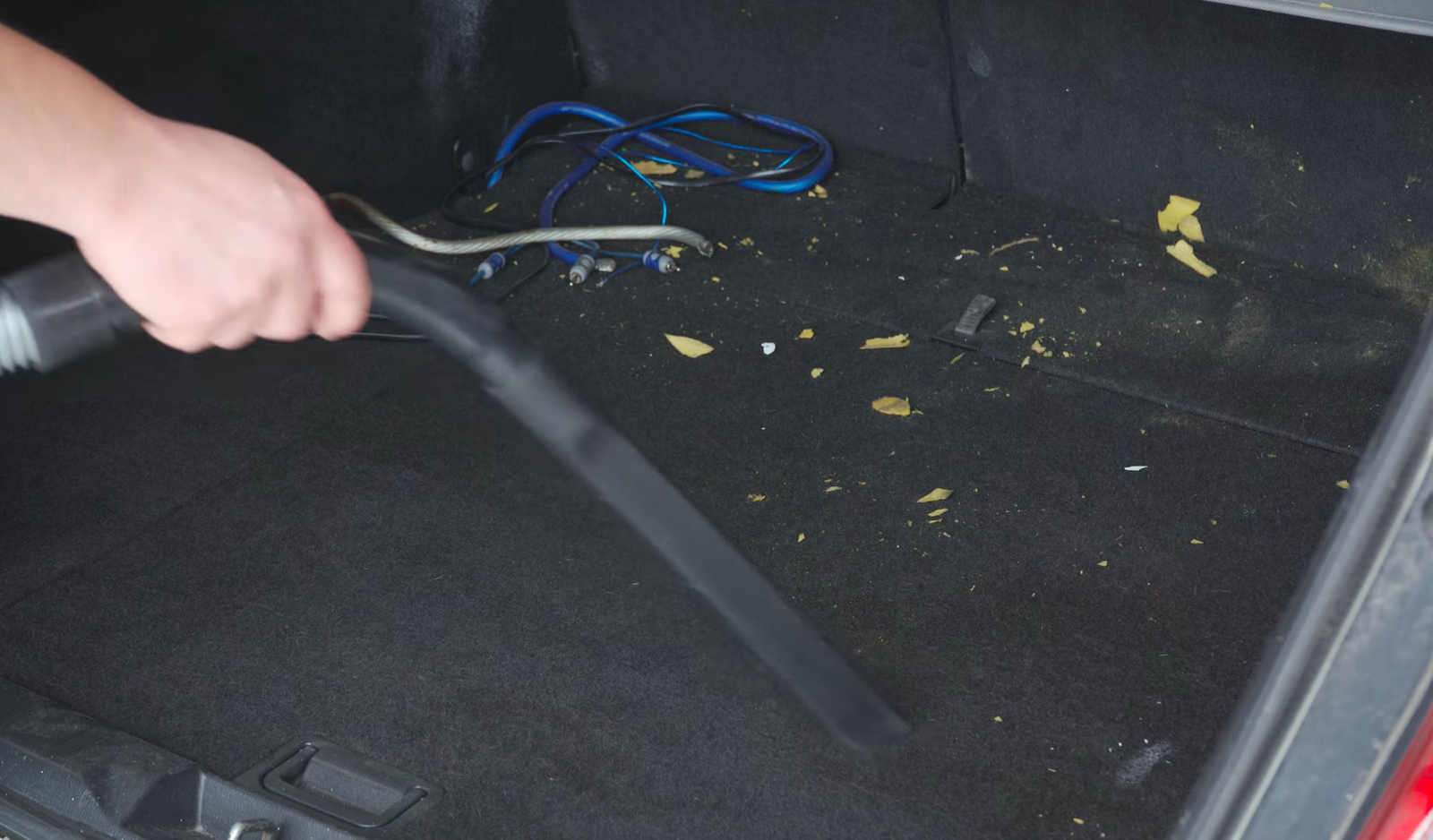
Mold in your car carpet is more than just an unpleasant smell, it’s a health hazard that spreads fast once moisture gets trapped inside your vehicle. Whether it started from a spilled drink, a leaking window seal, or flooding, mold colonies can establish themselves within 24 to 48 hours in damp, enclosed spaces like a car interior.
The good news is that with the right approach and a little effort, most car carpet mold problems are fully treatable without professional help. This guide walks you through 10 proven tips to remove mold, understand what causes it, and prevent it from coming back.
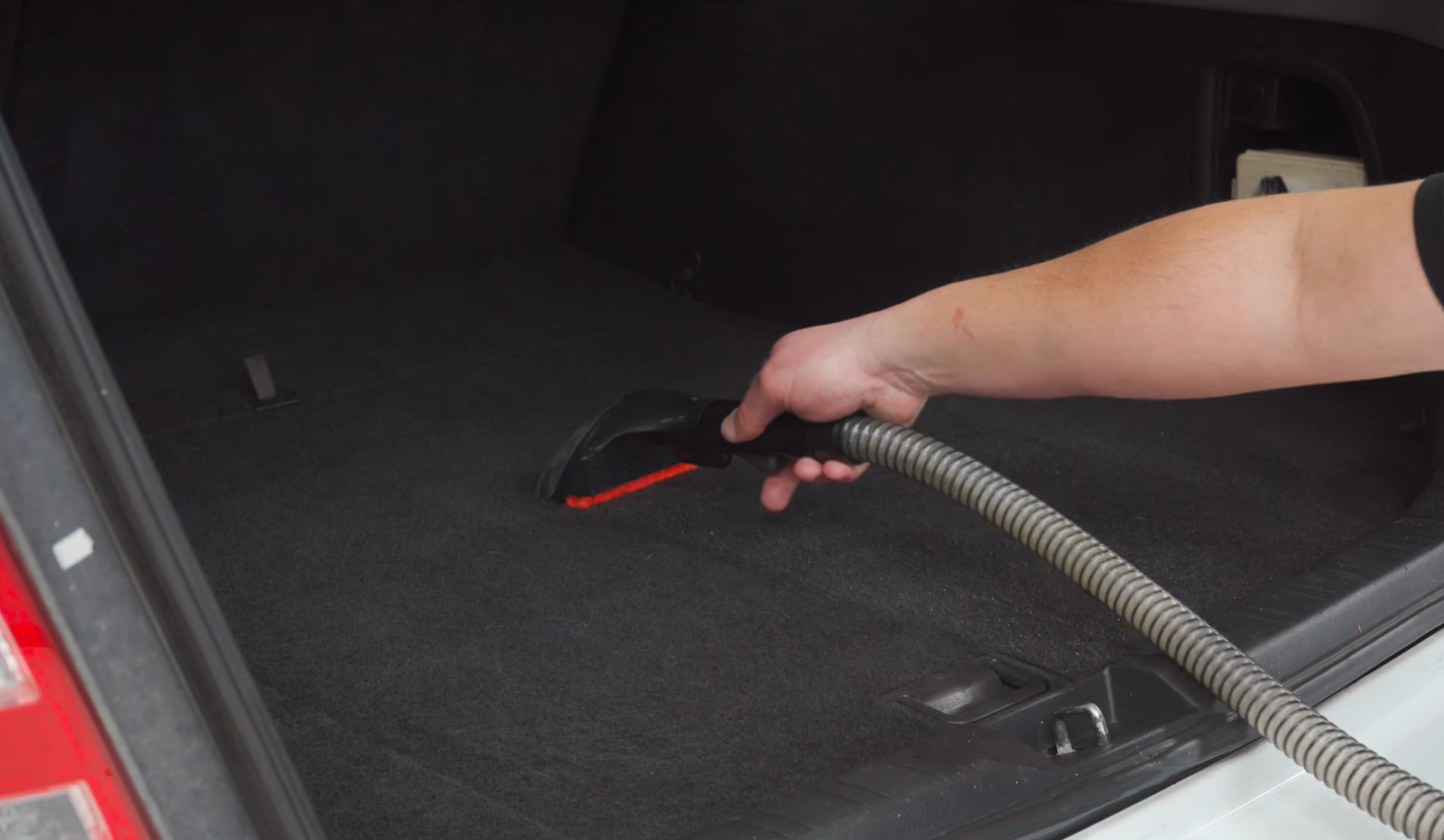
Effective Tips to Get Rid of Mold in Your Car Carpet
Before starting any mold removal process, park your vehicle in a well-ventilated outdoor area and wear protective gloves and a face mask.
1. Identify the Source of Moisture First
Cleaning mold without finding its moisture source is a temporary fix. The mold will return within days if the underlying dampness isn’t resolved.
Common moisture sources in car carpets include:
- Leaking door or window seals
- Clogged sunroof drainage channels
- Blocked AC condensate drain lines
- Spilled beverages that soaked into the carpet padding
- Flooding or water entry through damaged floor seals
- Wet items left on the carpet, gym bags, umbrellas, pet gear
Check under the carpet padding if possible. Moisture often hides beneath the surface layer long after the top appears dry. Fix the moisture source before moving to any cleaning step, otherwise the mold problem will cycle back repeatedly.
2. Vacuum the Carpet Thoroughly Before Cleaning
Before applying any liquid cleaning product, vacuum the entire carpet surface to remove loose mold spores, debris, and surface contamination.
Use a vacuum with a HEPA filter if available, standard vacuums can release captured spores back into the cabin air. Work in slow, overlapping passes across every section of carpet, including under the seats and along the edges where carpet meets door sills.
After vacuuming, dispose of the vacuum bag or empty the canister immediately outside the vehicle. Don’t leave collected debris sitting in the car.
3. Use White Vinegar to Kill Mold Naturally
White vinegar is one of the most effective natural mold killers available. Its acetic acid content, typically 5% in standard household vinegar, disrupts mold cell structure and kills surface colonies without harsh chemical residue.
How to apply:
- Mix equal parts white vinegar and warm water in a spray bottle
- Spray directly onto the affected carpet areas
- Allow the solution to dwell for 10–15 minutes
- Scrub gently with a stiff-bristle brush in circular motions
- Blot the area with clean microfiber cloths, don’t rub, as rubbing spreads spores
White vinegar is safe for most automotive carpet fibers and won’t damage color or texture. The vinegar smell dissipates within a few hours as the carpet dries.
4. Apply Baking Soda to Absorb Moisture and Odor
After treating with vinegar, baking soda works as a follow-up step to pull residual moisture from carpet fibers and neutralize the musty mold odor that lingers even after cleaning.
How to use:
- Sprinkle a generous layer of baking soda over the treated area
- Leave it to sit for several hours, overnight is ideal
- Vacuum thoroughly to remove all baking soda residue
Baking soda is particularly effective on the musty, earthy smell that mold leaves behind in carpet padding. It’s safe, inexpensive, and works well as a maintenance step even between deeper cleaning sessions.
5. Use a Specialized Mold Removal Cleaner
For moderate to heavy mold growth, a commercial automotive mold remover delivers stronger results than natural remedies alone. Products containing quaternary ammonium compounds, hydrogen peroxide, or tea tree oil-based formulas are specifically designed to penetrate carpet fibers and eliminate mold at the root level.
What to look for in a mold removal product:
- Automotive-safe formula (won’t bleach or damage carpet dye)
- Mold and mildew specific, not just a general cleaner
- Antibacterial and antifungal active ingredients
- Safe for use on fabric and foam surfaces
Follow the product instructions precisely, including dwell time and ventilation requirements. Always test on a small hidden area of carpet first to confirm colorfastness.
6. Steam Clean the Carpet for Deep Cleaning
Steam cleaning is one of the most thorough mold removal methods available for car carpets. High-temperature steam, typically above 212°F, kills mold spores, bacteria, and dust mites on contact without chemical residue.
A handheld steam cleaner with a brush attachment works well for car carpet applications. Work in slow, methodical passes and avoid over-saturating any one section. The key advantage of steam is that it penetrates deep into carpet pile and foam padding, where mold roots (mycelium) often anchor below the visible surface.
Allow the carpet to dry completely after steam cleaning before closing the vehicle. Steam introduces significant moisture, and inadequate drying can trigger new mold growth within 24–48 hours.
7. Dry the Carpet Completely to Prevent Regrowth
Drying is arguably the most critical step in the entire mold removal process. Mold needs moisture to survive, a carpet that isn’t fully dried will develop new growth within 24 to 48 hours regardless of how thoroughly it was cleaned.
Effective drying methods:
- Place a portable fan or shop fan inside the vehicle pointing at the carpet
- Use a wet/dry vacuum to extract as much surface moisture as possible before air drying
- Place moisture-absorbing desiccant packets or a container of silica gel in the cabin overnight
- Leave doors or windows slightly open in a covered area to allow air circulation
- On warm days, park in direct sunlight with doors open to accelerate evaporation
Check the carpet padding by pressing a dry cloth firmly against the surface. If any moisture transfers to the cloth, the carpet needs more drying time.
8. Use Sunlight and Proper Ventilation
Direct sunlight is a powerful, free mold-fighting tool. UV radiation from sunlight is naturally antifungal and helps kill residual mold spores on treated carpet surfaces while simultaneously accelerating the drying process.
After cleaning, park your vehicle in full direct sunlight with all doors open for several hours. Remove floor mats and lay them flat in sunlight separately, mats trap moisture against the carpet beneath and often harbor hidden mold colonies of their own.
Ventilation is equally important. A car left sealed with damp carpet creates the perfect humid environment for mold regrowth. Fresh air circulation breaks that cycle and reduces interior humidity rapidly.
9. Replace Severely Damaged Carpet if Needed
Some mold infestations go beyond surface treatment. If the mold has penetrated deep into the carpet backing and foam padding, particularly after prolonged exposure to moisture, cleaning the surface won’t be enough. The underlying material holds mold roots that continue releasing spores even after topical treatment.
Signs that carpet replacement is necessary:
- Persistent musty smell even after multiple cleaning rounds
- Visible mold returning within days of treatment
- Carpet feels wet or spongy despite drying efforts
- Black or green staining that doesn’t respond to cleaning
- Carpet padding shows active mold growth when lifted
Automotive carpet replacement is a job for a professional upholstery shop. Costs vary by vehicle make and carpet area but typically run $200–$600 for partial replacement and $600–$1,500 for full interior carpet replacement.
10. Use Anti-Mold Sprays for Long-Term Protection
Once your carpet is clean and fully dry, apply an anti-mold or mildew-resistant spray as a preventive treatment. These products create a protective coating on carpet fibers that inhibits future mold and mildew growth by reducing surface moisture retention.
Look for automotive-specific anti-mold sprays with long-lasting residual protection, typically 3 to 6 months per application. Reapply after deep cleaning sessions or at the start of high-humidity seasons to maintain ongoing protection.
What Causes Mold to Grow in Car Carpets?
Mold needs three things to grow: moisture, warmth, and an organic surface to feed on. Car carpets provide all three, especially in enclosed, poorly ventilated cabins.
| Cause | How It Creates Mold Conditions |
| Leaking window or door seals | Allows water intrusion directly onto carpet |
| Clogged sunroof drains | Overflow channels water into the headliner and floor |
| Spilled beverages | Soaks into carpet padding and stays damp for days |
| Wet shoes and clothing | Introduces consistent moisture to floor carpet |
| Blocked AC drain line | Causes condensation water to pool on the floor |
| Flooding or heavy rain entry | Saturates carpet and padding completely |
| Leaving windows open in rain | Direct water exposure to interior surfaces |
Missouri’s humid summers and wet spring seasons make moisture management inside vehicles particularly important for drivers in the Springfield area and surrounding communities.
Is Mold in Your Car Dangerous to Health?
Yes, mold exposure in an enclosed vehicle cabin is a genuine health concern. Cars are small, poorly ventilated spaces where mold spore concentration can build up rapidly during use.
Health effects associated with mold exposure in vehicles:
- Respiratory irritation, coughing, wheezing, and shortness of breath, especially in individuals with asthma or existing lung conditions
- Allergic reactions, sneezing, runny nose, itchy eyes, and skin irritation from mold spore contact
- Headaches and fatigue, prolonged exposure to mycotoxins produced by certain mold species like black mold (Stachybotrys) can cause systemic symptoms
- Worsened asthma, mold is a recognized asthma trigger that can cause acute episodes during vehicle use
Children, elderly passengers, pregnant women, and individuals with compromised immune systems are particularly vulnerable. If you notice persistent musty odor, visible mold patches, or unexplained allergy-like symptoms during car trips, treat the mold problem immediately.
How to Prevent Mold in Car Carpet in the Future
Prevention is far easier and cheaper than treatment. These habits keep moisture levels low and mold from gaining a foothold:
- Address spills immediately, blot liquid spills thoroughly and allow the area to dry completely before closing the vehicle
- Check window and door seals annually, replace cracked or worn seals before they allow water intrusion
- Clean and clear sunroof drains, flush the drainage channels with water every 6 months to prevent blockages
- Use weatherproof floor mats, rubber or all-weather mats protect carpet from wet shoes and spills and are easy to remove and dry
- Avoid leaving wet items in the car, wet gym clothes, umbrellas, and sports equipment introduce significant moisture to the cabin
- Run the AC periodically, air conditioning dehumidifies cabin air and reduces interior moisture levels
- Park with ventilation, cracking windows slightly in safe, covered parking allows air circulation and reduces humidity buildup
- Use moisture absorbers, silica gel packets or reusable desiccant bags placed under seats continuously absorb ambient cabin moisture
By making these small adjustments to your routine, you can keep your car’s interior fresh and avoid the health risks and high costs of professional mold remediation.
Best Products to Remove Mold From Car Carpet
Finding the best car mold remover is essential for a healthy interior. This guide reviews top-rated antimicrobial sprays and natural solutions to eliminate spores and tough musty odors.
| Product | Type | Best For |
| RMR-86 Instant Mold Stain Remover | Chemical spray | Heavy mold staining |
| Concrobium Mold Control | Antimicrobial spray | Surface treatment and prevention |
| Star Brite Mold and Mildew Stain Remover | Marine-grade spray | Deep carpet mold |
| Biokleen Bac-Out Enzyme Spray | Enzyme-based | Organic odor and mold |
| Activated Charcoal Bags | Natural absorber | Ongoing moisture control |
| White vinegar (DIY) | Natural | Light to moderate mold |
| Armor All Mildew Blocker | Protective spray | Post-cleaning prevention |
| WD-40 Specialist Mold Remover | Multi-surface spray | Versatile surface treatment |
For light mold growth, white vinegar and baking soda handle the job well. For moderate to heavy infestations, a dedicated antimicrobial product like Concrobium or RMR-86 delivers more reliable results.
Final Thoughts
Mold in car carpet is a fixable problem, but it requires more than a quick spray and wipe. Identifying the moisture source, cleaning thoroughly with the right products, drying completely, and applying preventive protection are all essential steps in a lasting solution. Skip any one of them and the mold comes back. Act early, use the right tools, and your car’s interior can be clean, fresh, and mold-free for the long term.
FAQs
How Do I Know If My Car Carpet Has Mold?
The most common signs are a persistent musty or earthy smell inside the cabin, visible dark green, black, or white fuzzy patches on carpet surfaces, and unexplained allergy symptoms like sneezing or watery eyes during car trips. Lift floor mats and check the carpet beneath, mold often grows in hidden areas first.
Can I Remove Mold From Car Carpet Myself?
Yes, for light to moderate mold growth. White vinegar, baking soda, commercial mold sprays, and steam cleaning are all effective DIY methods. Severe infestations, particularly those involving black mold or deeply saturated carpet padding, may require professional remediation or carpet replacement.
How Long Does It Take To Remove Mold From Car Carpet?
A basic mold treatment takes 2–4 hours including cleaning and initial drying. Full carpet drying after steam cleaning or wet treatment can take 12–24 hours. Severely affected carpets requiring multiple treatment rounds may take 2–3 days to fully resolve.
Will Mold Come Back After Treatment?
It will if the moisture source isn’t fixed. Mold treatment without addressing the underlying dampness, a leaking seal, clogged drain, or persistent spills, leads to regrowth within days. Fix the moisture source first, then clean, then apply preventive anti-mold spray.
Is Black Mold In A Car Dangerous?
Yes. Black mold (Stachybotrys chartarum) produces mycotoxins that can cause respiratory issues, headaches, fatigue, and immune reactions with prolonged exposure. In the confined space of a vehicle cabin, exposure risk is higher than in a larger room. If you suspect black mold, wear protective gear during cleaning or consult a professional remediation service.
How Much Does Professional Car Mold Removal Cost?
Professional mold remediation for a car interior typically costs $150–$400 for treatment and deep cleaning. If carpet replacement is required, costs range from $200–$600 for partial replacement to $600–$1,500 for a full interior carpet replacement depending on vehicle make and size.