
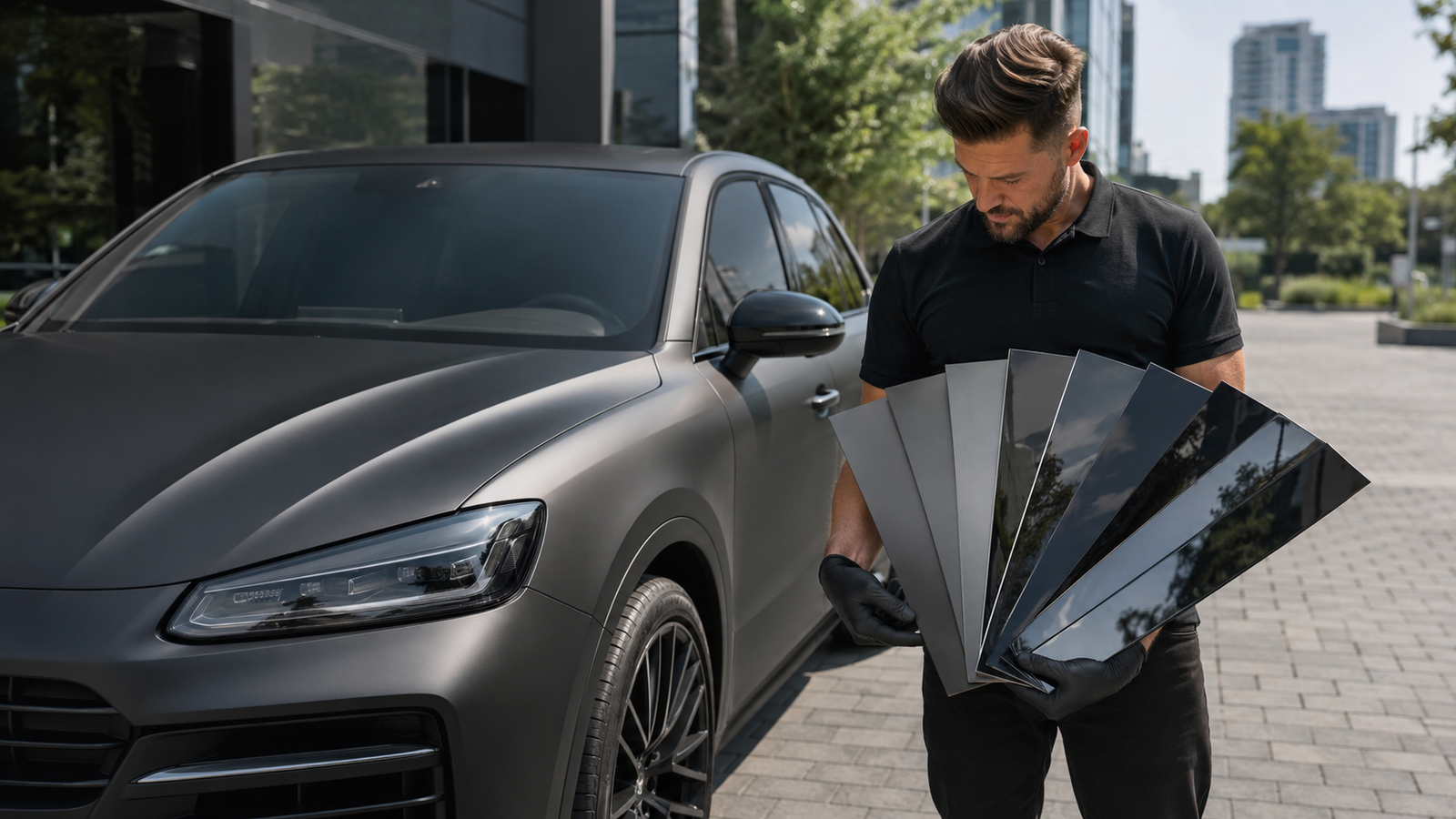
Choosing between a matte and gloss vehicle wrap is one of the most common decisions car owners face when customizing their ride. Both finishes deliver strong results but they serve different purposes, suit different lifestyles, and require different levels of upkeep.
Whether you’re protecting factory paint, rebranding a fleet vehicle, or simply refreshing the look of your daily driver, understanding the real-world differences between these two wrap types will help you invest your money wisely.
What Is a Matte Wrap and How Does It Work?
A matte wrap is a vinyl film with a flat, non-reflective surface finish. It absorbs light rather than bouncing it back, which creates that smooth, understated look often associated with luxury and custom-built vehicles. Applied using heat-activated adhesive vinyl, matte wraps conform tightly to body panels and curves using professional-grade tools and a squeegee technique.
The texture results from a micro-rough surface layer that scatters incoming light in multiple directions, a phenomenon known as diffuse reflection. Brands like 3M, Avery Dennison, and KPMF produce high-quality matte wrap films in thicknesses ranging from 3.2 to 4.0 mils, offering reliable conformability on complex contours like door handles and bumpers.
Popular matte shades include satin black, matte gunmetal gray, matte olive green, and matte pearl white, each giving vehicles a bold, road-ready aesthetic without needing paint.
If you want a head-turning finish that feels refined rather than flashy, matte wrap delivers exactly that kind of bold, low-key character that stands apart from standard paint jobs.
What Is a Gloss Wrap and Why Is It So Popular?
A gloss wrap features a smooth, high-shine surface that mimics freshly polished paint. It reflects light directly, making colors appear more vivid, deeper, and visually striking. Gloss vinyl wraps are the most widely used wrap type in both personal and commercial applications.
Gloss wraps are manufactured with a calendered or cast vinyl base, cast being the superior option for longevity and conformability. Cast gloss vinyl from brands like Oracal 970RA or 3M 1080 Series offers excellent UV resistance and color retention, typically lasting 5 to 7 years under normal outdoor conditions.
The high-gloss finish works particularly well on sleek body lines, sports cars, luxury sedans and commercial vehicles where brand colors need to pop. Gloss chrome and gloss metallic variants push the visual impact even further producing a mirror-like sheen that’s hard to miss.
From everyday commuter cars to high-visibility brand vehicles, gloss wrap remains the most versatile and widely chosen finish in the vinyl wrap industry.
Matte vs Gloss Wrap: A Side-by-Side Comparison
Before diving into individual factors like cost and durability this quick comparison gives you a clear picture of where each finish wins and where it falls short.
| Feature | Matte Wrap | Gloss Wrap |
| Appearance | Flat light-absorbing finish | Shiny reflective finish |
| Durability | Slightly less scratch-resistant | More resistant to minor scuffs |
| Maintenance | Requires specialized matte cleaners | Easier to clean wax-compatible |
| UV Resistance | Good fades less visibly | Excellent color stays vivid |
| Cost | Typically 10-20% more expensive | More affordable widely available |
| Best For | Custom builds luxury vehicles | Every day, use commercial fleets |
| Repairability | Harder to spot-repair | Easier to blend patch sections |
| Paint Protection | Yes, both offer paint protection film-grade defense | Yes |
This comparison makes it clear your choice should be driven by how you use your vehicle, your local climate and your daily maintenance habits.
Durability and Longevity: Which Wrap Lasts Longer?
When it comes to real-world durability, gloss wraps have a slight edge. The smooth surface of a gloss wrap resists minor surface abrasion better than matte and small scratches are less visible on reflective finishes. Matte surfaces, while incredibly durable, tend to show fingernail marks, scuffs and pressure marks more readily because of their micro-textured finish.
Both wrap types when installed by a certified installer typically last:
- Gloss wrap, 5 to 7 years with proper care
- Matte wrap, 4 to 6 years with specialized maintenance
- Satin or soft-matte wrap sits between both, roughly 5 years
Factors like UV exposure, extreme heat, salt spray and parking habits all affect wrap lifespan. In hot climates like Arizona or the UAE, both wraps benefit from ceramic coating protection applied over the vinyl. In colder regions, wrap lifting at edges becomes a risk, especially around mirrors and panel seams.
In most real-world conditions, gloss wrap edges out matte in overall longevity, but proper installation and routine care matter far more than finish type when it comes to how long your wrap actually lasts.
Maintenance Differences Matte vs Gloss Wrap Care
This is often the deciding factor for daily drivers. Gloss wraps are significantly easier to maintain. They can be hand-washed, machine-washed at touchless car washes, and even waxed (with non-abrasive wax). Dirt and water bead off the smooth surface with minimal effort.
Matte wraps demand more attention:
- Use pH-neutral, non-abrasive cleaning products only
- Avoid automatic car washes with brushes, which can damage the texture
- Never apply traditional wax or polish, as it fills the micro-texture and creates shiny patches
- Use a dedicated matte vinyl detailer or matte-safe spray sealant
- Address bird droppings and tree sap quickly, both can etch matte surfaces faster than gloss
For car owners who prefer low-effort upkeep, gloss is the practical choice. For those who enjoy detailing their vehicle and treat maintenance as part of the ownership experience, Matte is a rewarding option.
Cost Differences | Is a Matte Wrap Worth the Extra Investment?
Matte wraps generally cost more than gloss wraps for two reasons. The film itself is more expensive to produce, and the installation process requires additional care to avoid finger marks and uneven pressure during application.
Here’s a general price breakdown for a full vehicle wrap in the United States (2024 figures):
- Compact car, gloss wrap – $1,800 to $2,800
- Compact car, matte wrap – $2,200 to $3,400
- SUV or truck, gloss wrap – $2,500 to $4,000
- SUV or truck, matte wrap – $3,000 to $4,800
- Full-size luxury or exotic either finish – $5,000 to $10,000+
Partial wraps, roof wraps, and accent wraps cost significantly less. The long-term value of any wrap regardless of finish is the protection it provides to the original factory paint which directly preserves resale value.
For drivers who prioritize a unique premium look and are committed to proper maintenance matte wrap is absolutely worth the extra cost. For those who want reliable everyday protection without the added upkeep gloss delivers better long-term value for the money.
Which Finish Is Better for Commercial Vehicle Wraps?
For fleet vehicles, delivery vans, food trucks and service company vehicles, gloss wraps are the standard recommendation. Here’s why:
- Gloss surfaces make brand colors appear more saturated and accurate to Pantone specs
- High-visibility graphics, logos and contact information read more clearly on gloss backgrounds
- Easier cleaning in high-frequency wash environments
- More cost-effective across multiple vehicles
Matte wraps on commercial vehicles are less common but they work well for premium brands, real estate agencies, law firms and lifestyle businesses looking to project a refined upscale image rather than loud high-energy branding.
Ultimately, the right finish for a commercial vehicle depends on what your brand communicates, gloss for energy and visibility, matter for sophistication and exclusivity.
Matte Wrap vs Gloss Wrap for Paint Protection
Both matte and gloss vinyl wraps provide a physical barrier between your vehicle’s factory paint and environmental hazards including stone chips, UV rays , bird droppings, tree sap and minor road debris. This paint protection function is one of the primary reasons vehicle wraps have grown in popularity alongside paint protection film (PPF).
Studies from vinyl wrap manufacturers including 3M and Avery Dennison show that a properly applied vinyl wrap can reduce paint chip incidents by up to 70% on high-impact zones. Both finishes block UV radiation effectively, slowing paint oxidation and color fade that typically begins within 2 to 3 years on unprotected factory paint. If paint preservation is your primary goal, either finish gets the job done, but pairing your wrap with a PPF underlayer on the hood and bumper adds a meaningful extra layer of long-term defense.
Some owners combine a clear PPF layer underneath the vinyl wrap for maximum paint preservation, especially on high-impact zones like the hood, bumper and fenders.
When paint protection is the priority, both finishes perform the job well, but your choice of vinyl quality and installer expertise will always matter more than whether you go matte or gloss.
Final Thoughts
Choosing between a matte and gloss wrap comes down to three things: how you want your vehicle to look, how much time you’re willing to spend on maintenance, and what your budget allows. Gloss wraps offer a vivid high-impact finish, proven durability, and easy daily care making them the go-to choice for most drivers and commercial applications. Matte wraps deliver an unmistakable premium aesthetic that turns heads for different reasons, but they reward owners who take their time with maintenance and detailing.
Neither option is objectively better. The best wrap is the one that fits your vehicle, your lifestyle, and your long-term goals. Always work with a certified vinyl wrap installer, use quality cast vinyl film, and ask about warranty coverage before committing to either finish.
FAQs
How Long Does A Matte Car Wrap Last?
A professionally installed matte wrap typically lasts 4 to 6 years, depending on climate conditions, maintenance habits and the quality of vinyl film used. Cast vinyl lasts longer than calendered vinyl.
Can You Wax A Matte Vehicle Wrap?
No. Traditional wax fills the micro-texture of matte vinyl and creates uneven shiny patches. Use only matte-specific vinyl detailers or sealants designed for flat finishes.
Is Gloss Wrap Easier To Maintain Than Matte?
Yes. Gloss wraps can be hand-washed, touchless machine-washed, and even waxed with non-abrasive products. They’re significantly lower-maintenance for daily drivers.
Does A Vehicle Wrap Protect Factory Paint?
Yes. Both matte and gloss vinyl wraps create a physical barrier that protects factory paint from UV rays, stone chips, bird droppings and minor road debris – preserving resale value.
Which Is More Expensive, Matte Or Gloss Wrap?
Matte wraps are typically 10 to 20% more expensive than gloss wraps due to higher film costs and more demanding installation requirements.
Can A Matte Wrap Be Repaired If Damaged?
Matte wraps are harder to spot-repair because blending a new section with an aged matte surface is difficult. A full panel replacement is usually recommended for seamless results.
Which Wrap Finish Is Better For Commercial Vehicles?
Gloss wraps are the standard for commercial fleet vehicles; they make brand colors pop, are easier to clean and cost less across multiple vehicles.
Can I Wrap Over A Matte Wrap With Gloss Or Vice Versa?
No. Wraps should always be applied to bare factory paint or primer not over another layer of vinyl. Always remove existing wrap before reapplying.
Do Matte Wraps Fade In Sunlight?
All vinyl wraps experience some UV fading over time. Matte wraps tend to fade less noticeably than gloss because their non-reflective surface makes color shifts less apparent visually.
What’s The Difference Between Matte Satin And Gloss Wrap?
Matte has zero reflectivity, gloss has maximum reflectivity and satin sits in between with a soft sheen. Satin is a popular middle-ground option for owners who want the depth of gloss with the subtlety of matte.